
Nasal Hump Removal Cost in Zurich: What Patients Should Know
If you're considering cosmetic surgery in Zurich, particularly to remove a hump on your nose bridge, you may be curious about the associated costs.
This article answers common questions concerning the cost of nose hump surgery, the operation itself, the recuperation time, and other key considerations.
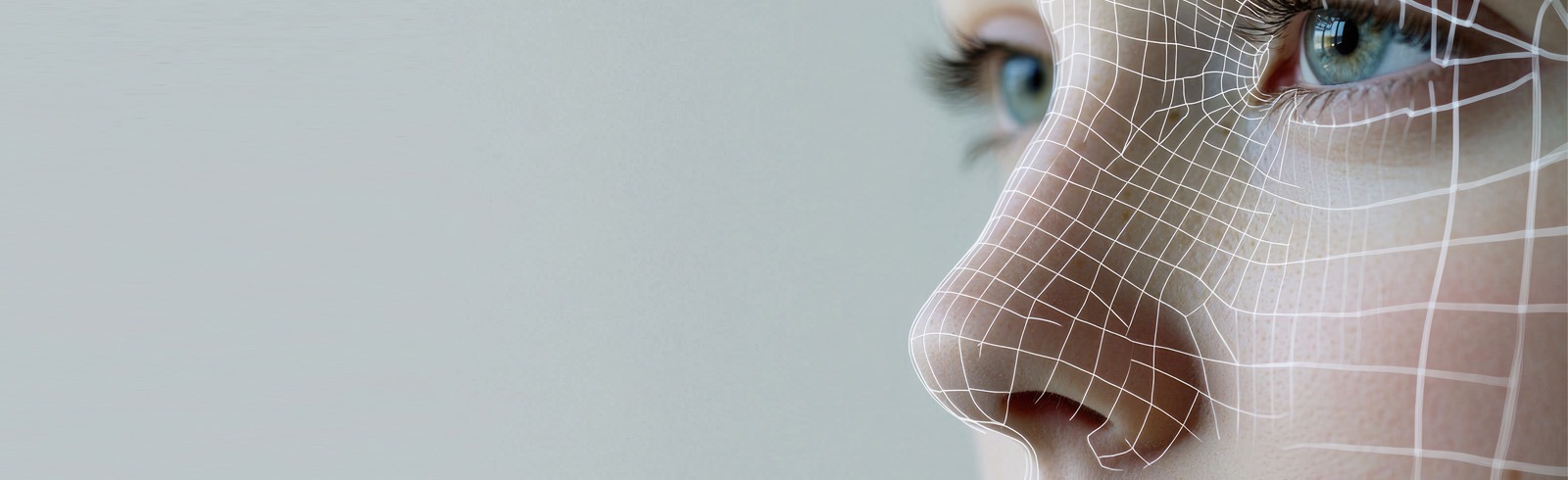
What is a Nasal Hump?
The nasal hump is the bump that forms as the bone and cartilage on the bridge of the nose curve outward. The top third of the nose is made of rigid bone tissue, and the bottom third is made of more flexible cartilage tissue. The bridge structure is usually most visible where these two tissues meet. This bump can change the straight line of the face profile, making it look like a "hump", which may be considered aesthetically undesirable.
Why do patients decide to have a nose hump correction?
Patients choose to undergo nasal hump correction for both aesthetic and practical reasons:
Aesthetic concerns:
Most patients want to change their nose shape to make it fit better with the rest of their face. A prominent hump, which means a big, arched, or "a prominent or dorsal hump" nose, might make a person uncomfortable with their profile and even lower their self-esteem. Removing the hump makes the nose flatter and more balanced, which improves the overall symmetry of the face, softens the features, and makes the face look younger.
Functional reasons:
A nasal hump can sometimes be a sign of a bigger problem. For instance, a deviated nasal septum or difficulties with the interior structure can make it hard to breathe. Fixing the hump can also fix these functional problems, which is good for both your health and your looks. Patients choose surgery to make their noses look better and help them breathe better.
Post-traumatic correction:
A hit or accident can make the nasal bone curve or stick out. In these situations, surgery is done to fix the damage and put the nose back to the way it was before.
Nasal Hump Removal Cost in Zurich
There are many things that affect the cost of nasal hump surgery in Zurich. As a general guide, the total cost of this procedure in Zurich is usually between CHF 10,000 and CHF 20,000 or more. Most of the time, these rates cover regular checkups. However, any post-operative complications or any other optional procedures may cost more.
The following things affect the pricing range:
- A surgeon who is an expert in their field, has a lot of expertise with aesthetic rhinoplasty in particular, and has a solid reputation will charge more than a surgeon who is just starting out.
- The price of surgery that involves more than just taking out a little bump, including contouring the tip of the nose, straightening bone curvature (septoplasty), or narrowing the nostrils, is different from the price of surgery that just entails taking out a small bump. The more treatments that are done, the more they cost.
- The price also depends on where the surgery will take place, how good the service is, how comfortable the rooms are, and what kind of technology is available. The total bill also includes the anesthetist's fee, the cost of the anaesthesia materials used, the cost of using the operating room, the cost of dressing materials, and any medications.
How is a nasal hump removed?
The surgeon uses specific tools to file or cut away extra bone and cartilage tissue from the bridge of the nose and then reshapes the features that are left. When the hump is gone, cuts called "osteotomies" are made in the bones to cover the gap (open roof) that was left on the bridge of the nose. This practice brings the bones closer together. The goal is to make the line of the nose smooth and natural.
There are two basic ways to get rid of the nasal hump:
Structural method:
A rasp, chisel, or piezo device is used to shave the bone directly in this approach. A scalpel is then used to cut and remove the cartilage portions. With this procedure, the surgeon can contour the bridge of the nose with millimetre accuracy.
Preservation rhinoplasty:
This method keeps the natural shape of the nasal bridge. Instead of touching the roof above the hump, tissue is taken out from under the nasal skeleton, which pushes down or lowers the nasal bridge.
Procedure for Nasal Hump Removal
Getting ready:
Consultation: You talk to your surgeon in depth about your medical history, worries, and what you want. They look at the inside and outside of your nose, take pictures, and use computer simulations to show you what the outcomes might look like. Your surgeon tells you which method (open or closed) is best for you.
Preparing for surgery: Once the date of the surgery is set, you may need to stop using blood-thinning drugs and smoking. On the day of the procedure, you will meet the anaesthesia team and be taken to the operating room.
Anaesthesia: The procedure is done with either general anesthesia, which puts you into a deep sleep, or local anaesthesia with IV sedation, which numbs a specific area while keeping you relaxed, depending on the circumstance.
Surgery
The operation normally takes between one and a half and three hours.
Cutting the skin: In the closed approach, cuts are only performed inside the nostrils. In the open technique, a small cut is also made on the outside of the column that separates the nostrils (columella). This gives the surgeon a better view of the area.
Lifting the tissues: The skin and soft tissues are gently lifted so that the bone and cartilage structure underneath can be reached.
Getting rid of the hump: Using sophisticated chisels and rasps, extra cartilage and bone tissue is filed down or taken away. At this stage, the surgeon continuously monitors the process to ensure a balanced and symmetrical outcome.
Nasal bone osteotomies: The surgeon delicately breaks the nasal bones and pulls them closer together if the nasal bone is too large or if an "open roof" deformity has arisen following hump reduction. This is a crucial stage in figuring out how wide the nose will be.
Cartilage Shaping and Sutures: The cartilage at the tip of the nose is reshaped, thinned, or strengthened. To keep the new shape, special stitches are put in place.
Closure and stabilisation:
The incisions are closed with dissolvable sutures. A plaster cast or splint is placed on the outside of the nose to maintain its new shape and reduce swelling, while tampons or silicone splints are placed inside and a protective plaster cast/splint is placed on the outside.
Recovery After Surgery
It takes time to heal after surgery. This is a timeline of what will happen:
aThe first 24 hours after surgery:
You will probably wake up with a plaster cast or customised splint on your nose and maybe splints in your nostrils. It's natural for your face to swell and bruise. You might have to spend the first night in the hospital under supervision.
The first week:
Your face may swell up a lot, and there will be bruises around your eyes. You might have to breathe through your mouth because your nose is obstructed. Putting your head up while you sleep, using cold compresses, and taking the painkillers your doctor gives you will all help make this process easier. Usually, the cast and dressings come off after 7 to 10 days.
Second week:
The swelling and bruises will start to go down quickly. You can go back to work and do other things you normally do, but not any rigorous sports, such as running or weightlifting, which could strain your healing nose. You will start to see what your nose looks like, but it will still change because the swelling hasn't gone down all the way.
The first few months:
Most of the swelling goes down in the first several months; however, the swelling at the tip of the nose may last longer. The tip of the nose may stay up for a while, but it will eventually go down. During this time, it's very important to listen to your doctor's advice about wearing glasses and protecting your skin from the sun. You should avoid heavy lifting, blow your nose, or play activities that could hurt your nose during the first 4 to 6 weeks after surgery.
The final result
The final result, one year and beyond: It usually takes between one and one and a half years for the nasal tissues to heal completely and the swelling to go down. But at the end of this treatment, you will be able to see what your nose will look like.
Results of nose hump correction
The surgery is successful if the hump is removed, the face is balanced, and breathing is preserved or improved. Keep in mind that results are different for each person and depend on more than just the surgeon's competence. They also depend on your skin type, how well you heal, and how well you follow the doctor's instructions.
Aesthetic outcome: The nose's shape fits better with the other aspects of the face. A structure that is humped or sticks out is fixed, which makes the line straighter or somewhat concave. This modification usually makes the face look better and more balanced.
Functional outcome: If breathing difficulties are also fixed after surgery, the patient gets a more beautiful nose and the ability to breathe effortlessly.
Psychological outcome: The individual reconciles with their self-image and enhances their self-esteem. Removing a detail that has troubled someone for years can improve their social lives and how they express themselves.
Satisfaction rates: Patient satisfaction rates are high with the results. Research shows that 96% of patients are quite happy with the results. A good result makes a person feel better about themselves and gives them more confidence.
Complications and revision: Because nasal tissues can recover in unexpected ways, a second operation, called a "touch-up" or revision, may be needed in approximately 5-15% of patients to fix small asymmetries or residual irregularities. The most common cosmetic problems include not removing the bridge enough, which makes the nose look "hollow", or "pollybeak" abnormalities, which are caused by removing too much.
Open vs. closed rhinoplasty
One of the most crucial things to think about when contemplating surgery is whether to use open or closed rhinoplasty methods. Knowing the difference between the two will help you talk to your surgeon clearly.
Closed / endonasal rhinoplasty
The cuts are all made inside the nostrils. The columella (the column between the nostrils) doesn't have any cuts on the outside. The goal of this method is to keep the shape of the nose as much as possible and not mess up natural anatomical connections. Instead of totally raising the skin of the nose, the surgeon makes tunnels.
Benefits: The recuperation process is usually quicker, and there is less swelling after surgery. There is less chance that the tip of the nose will droop.
Cons: The surgeon can't see very far. It's harder to fix complicated nasal structures, including major abnormalities, or to put in grafts (pieces of tissue). This method works best for easier scenarios that don't need as much work.
Open Rhinoplasty:
Along with cuts inside the nostrils, a minor cut is also done on the column that separates the nostrils (columella). After it heals, this cut normally leaves a very faint scar that fades away over time.
Pros: It gives the surgeon a great vision and working space over the whole bone and cartilage structure of the nose. It is the best method for fixing complicated problems, straightening out curves, reshaping tips, and putting in grafts.
Disadvantages: The healing time may be a little longer, and the swelling may be a little more evident at first than with the closed method. There is a chance that a little scar will stay on the outside.
Which way is better?
The right way to do it relies on the patient's needs and the surgeon's level of experience.
- The closed approach is a great choice for patients who only want to get rid of a minor bump on their nose so that the tip of their nose is a little more defined and whose anatomy is right for it. This is because it allows for speedier healing and a more natural look.
- The open rhinoplasty technique is necessary in cases where the patient has had a previous unsuccessful nose surgery (revision), a congenital deformity (like a cleft lip), or a nose that is very curved. The open technique gives the surgeon better visibility and control, which is the only way to get a successful and symmetrical result.
F.A.Q:
How much does it cost to have a nasal hump removed in Zurich?
The cost of a nose hump removal operation in Zurich, to give a clear figure, generally ranges from 10,000 Swiss francs (CHF) to 20,000 CHF and above.
The reason for such a wide price range is that the final cost depends on many factors, including the surgeon's experience and reputation; the complexity of the surgery (whether only the hump will be removed or additional procedures will be performed); the location and quality of the clinic you choose; the anaesthesia fee; and post-operative check-ups. Therefore, when researching prices, rather than focusing solely on the figures, it is best to examine the details of the quote and select the specialist who inspires the most confidence in you.
How long does it take to heal after a nose hump operation?
The recovery process following a nose hump surgery is a journey that requires patience and consists of several stages. The first week is the period when swelling and bruising are most intense, and during this time, the patient wears a nasal splint. By the end of the second week, the swelling has significantly subsided, and most patients can return to their daily lives and work.
However, it takes much longer for the swelling in the nose, especially the swelling at the tip, to completely subside and for the nose to take its final shape; this process usually takes between 1 and 1.5 years. Although you will begin to see your nose's new shape within the first few months, you will need to wait until this period is complete to see the final result.
Will there be scars after the operation?
Whether or not a scar remains after surgery depends largely on the surgical technique used. If the closed rhinoplasty technique is used, no visible scar will form externally, as all incisions are made inside the nostrils.
If the open rhinoplasty technique is necessary, in this case a very small external incision of approximately 3-5 mm is made on the column separating the nostrils (columella). This incision provides the excellent field of view necessary for the surgeon to perform more complex procedures. During the healing process, a thin line of scarring may remain in this area, but over time, this scar usually fades significantly and becomes almost imperceptible. In the hands of an experienced surgeon, this scar blends into the natural shadow lines of the nose.